

In recent years, the Soulslike genre has
grown far beyond its niche origins.
From the early titles to the games we see
today, players have developed a familiar understanding of what a Soulslike game
is supposed to be: a dark fantasy world, highly challenging enemies, recovering
resources after death, enemies respawning after you rest, and a combat rhythm
that can only be mastered through constant trial and error.
Often, players can already get a rough idea
of how a new game plays before they have even truly started playing it.
That is certainly a sign of a mature genre.
But maturity brings another question: once players are already familiar with
the rules, what can newcomers do to stand out?
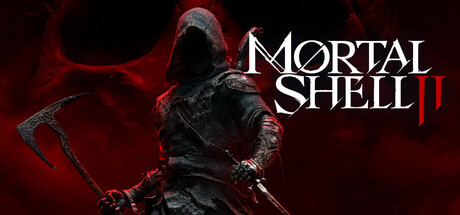
Mortal Shell II arrives at precisely this
point in the genre’s development.
Released on August 20, 2026, the game
currently holds a “Mostly Positive” rating on Steam, with around 80% of its
English-language reviews positive. It retains the familiar foundations of
Soulslike games, including high-difficulty combat and the loop of death and
resource recovery, while deliberately changing some of the rules players have
grown used to.
And that may be the most interesting thing
about it.
Rather than rushing to prove that it is
“not a Soulslike,” Mortal Shell II asks a more interesting question:
If these rules have been around for so
long, which of them actually have to stay?
1. Once a Genre Matures, Player Habits Become the Hardest
Thing to Change
As a game genre develops, it gradually
builds its own set of “default answers.”
When you see a rest point, you know enemies
may respawn. When you encounter a powerful enemy, you know better than to rush
in recklessly. When you see a stamina bar, you instinctively start calculating
whether you will still be able to dodge after your next attack.
At first, these are simply design choices.
But after being used repeatedly across
countless games, they eventually become second nature to players.
That means many so-called innovations are
really just ways of adding more content to the same formula:
Bigger maps.
More weapons.
More bosses.
More equipment.
More skills.
The game may become richer in content.
But the way players think about it does not
necessarily change.
What makes Mortal Shell II interesting is
that it does not simply add more on top of the existing formula. Instead, it
touches some of the elements that sit closer to the core rules of the genre.
One of the clearest examples is the
traditional stamina system.
2. What Really Changes When There Is No Stamina Bar?
In many traditional Soulslike games,
stamina is more than just a number that limits how much a player can do.
Attacks consume stamina, and dodging
consumes stamina as well. After several consecutive attacks, you usually have
to stop and create some distance. If your stamina runs out, you may not even
have enough left for your next dodge.
So players are constantly doing one very
specific calculation: How much more can I attack right now?
Mortal Shell II removes the traditional
stamina limitation altogether. The game’s official description also highlights
combat unrestricted by stamina as one of its defining features, and several
media outlets have similarly identified this change as one of the key
differences between the game and traditional Soulslikes.
But the interesting part is not simply that
“there is no stamina, so combat is more fun.”
The more interesting question is: What
do players start thinking about once that restriction is gone?
Previously, players were more focused on
managing resources. Now, they are more focused on judging risk.
You can keep attacking, but enemies do not
become any more forgiving just because you are no longer limited by stamina.
You can keep swinging, but if you get too greedy, you can still be punished by
the very next attack.
In other words, the game has not simply
removed constraints from combat. It has changed the way those constraints work.
The old question might have been:“Do I still have enough stamina?”
Now, it becomes:“Can I keep pushing forward?”
That is a genuinely interesting design
shift.
Sometimes, real innovation does not come
from adding a new rule. It comes from removing an old one and seeing how
players reinterpret the entire system.
3. Change Your Shell, and You Change the Way You Play
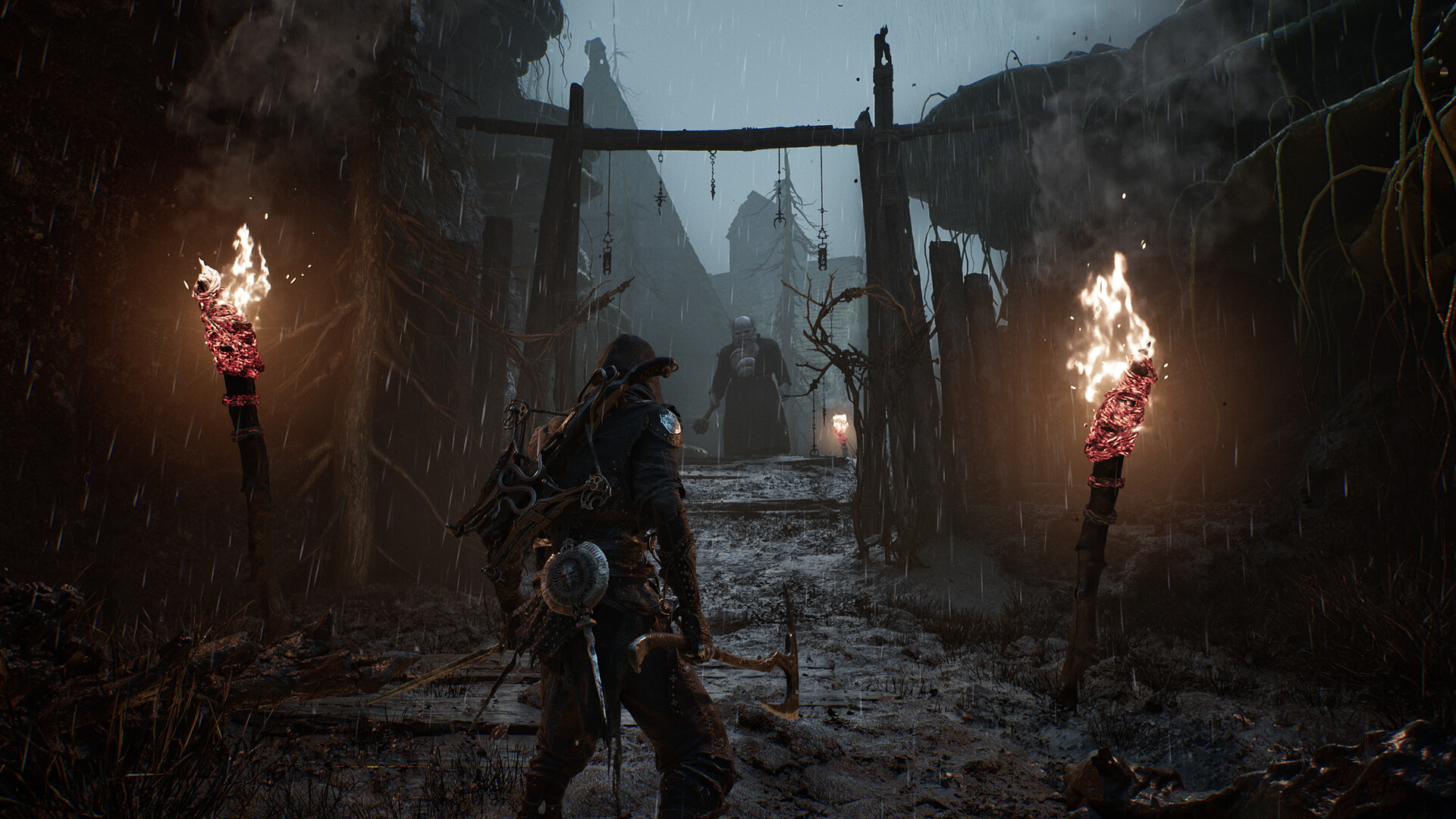
Another particularly distinctive feature of
Mortal Shell II is its Shell system.
The basic idea is not difficult to
understand. You play as a being known as the Harbinger, who can discover the
dormant forms of fallen warriors throughout the world and possess them in
combat.
The game currently features eight Shells
that can be used over the long term. They are not simply different sets of
equipment. Each Shell has its own attributes, special abilities, and
progression path. Some Shells are more agile and better suited to quick dodges
and finding openings. Others are heavier and better suited to taking attacks
head-on. Some also have unique abilities that can directly change the way
players approach combat.
So when players discover a new Shell, what
they gain is not simply a “stronger character.”
More importantly: You may have to relearn
how to fight.
If changing Shells only meant gaining a
little more attack power and losing a little defense, the system would not feel
all that different from ordinary equipment.
But in Mortal Shell II, different Shells
come with different abilities and progression paths. Choosing a more agile
Shell may mean relying more heavily on dodging and mobility. Choosing a
stronger Shell may make you more willing to pressure enemies head-on.
In other words, Shells do not just change
character stats. They also change the way players think about combat.
And there is another interesting part of
this system.
Weapons and other upgrades are not
completely tied to a single Shell, so players can first decide, “What kind of
body do I want to fight with?” and then use weapons and upgrades to further
shape that playstyle. The Shell defines the broader combat style, while
equipment allows players to push that style further.
That means choosing a character is no
longer just about picking a class at the beginning of the game.
Finding a new Shell can feel like
discovering an entirely new way to play.
From this perspective, the real appeal of
the Shell system is not simply that it offers eight different characters.
It is that every time players change
bodies, they may get to rediscover the combat system all over again.
4. One Combat Resource Gives the Game More Reason to
Reward Aggressive Play
Another notable change in Mortal Shell II
is the way it handles resource accumulation during combat.
Players can continuously build up a combat
resource through melee attacks. This resource can then be used to trigger
special attacks, use ranged weapons, and activate some Shell abilities. In
other words, players who want to make fuller use of these abilities cannot
simply stay at a distance. They have to move in, engage enemies, and keep
attacking.
This creates a natural connection with the
removal of stamina.
Traditional Soulslike combat often follows
a familiar loop:
Observe the enemy → look for an opening → attack → retreat → observe again.
Mortal Shell II does not completely abandon
this rhythm, but its combat resource gives players a reason to keep attacking.
The more aggressively you fight, the easier
it is to build up the resource. The more you build up, the more special
abilities you can use.
So when players face an enemy, the question
becomes:“Can I keep this
opening going?”
This is actually an important principle in
game design.
How players ultimately behave depends
heavily on what the system rewards.
When a game rewards defensive play, players
naturally become more cautious. When it rewards sustained aggression, players
become more willing to take risks. When it rewards exploration, players are
more likely to leave the safest and most familiar route.
That is why the combat style a game
ultimately produces is not determined by action design alone.
5. Real Differentiation Does Not Necessarily Come From an
Idea No One Has Ever Seen Before
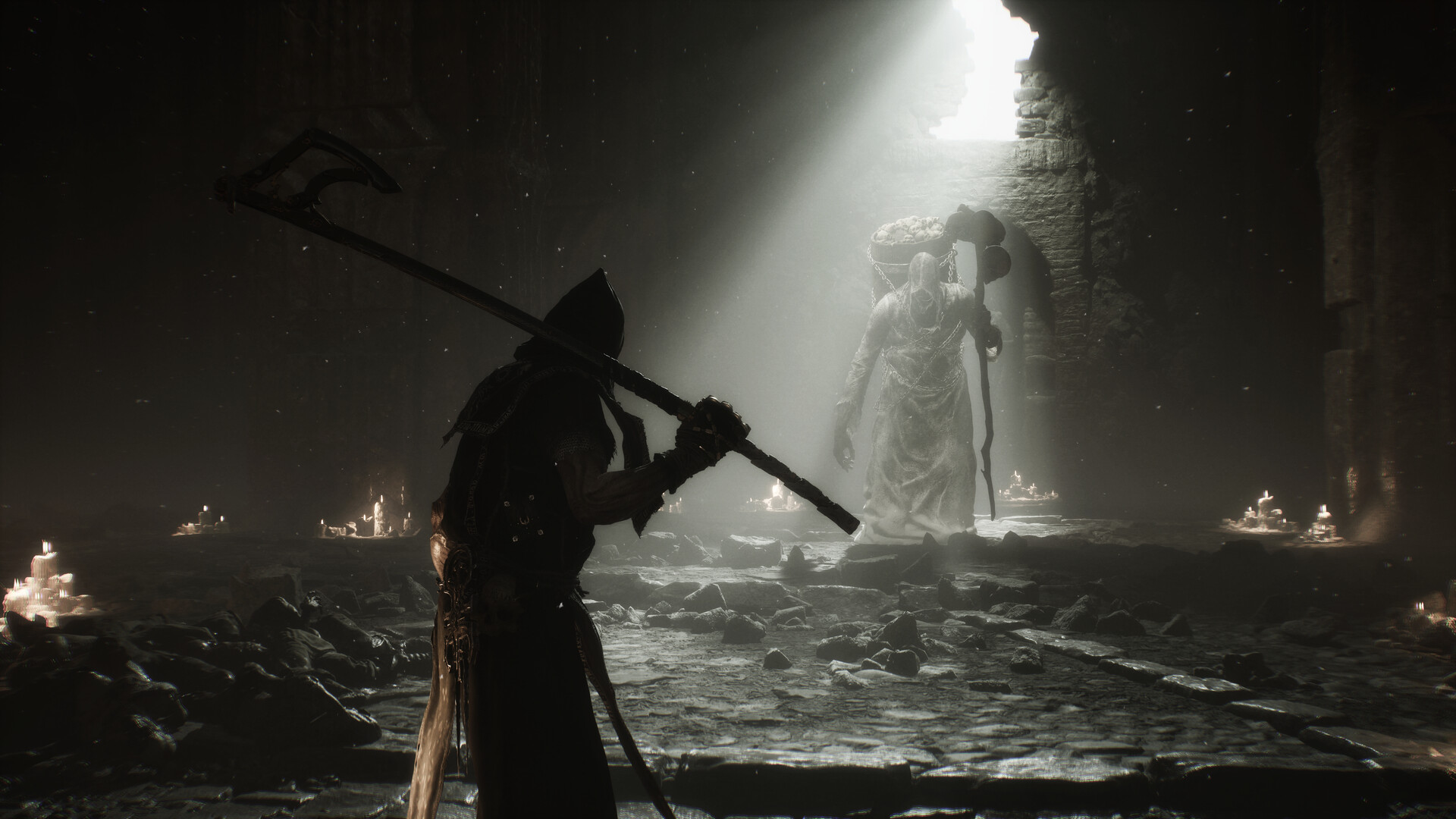
At this point, it becomes clear that none
of the mechanics in Mortal Shell II is completely unprecedented when considered
on its own.
There are plenty of action games without
stamina bars. Class and build systems are nothing new. Games that let players
build resources through attacks and then spend them on abilities have been
around for a long time as well.
So the value of Mortal Shell II does not
lie in inventing a system that nobody has ever made before.
Instead, it comes from rearranging familiar
ideas.
The stamina restriction is removed.
The Shell system becomes more deeply tied
to character progression and combat choices.
Attacking is linked to the resources needed
for special abilities.
And what ultimately changes is the way
players approach combat.
That is where things get interesting for
mature genres.
Differentiation does not necessarily have
to come from an idea that has never existed before. It can also come from
recombining familiar mechanics in a way that changes how players interact with
them.
For a genre that has already become highly
competitive, that may be worth trying more than simply adding more content.
6. Why Doing Less Can Sometimes Matter More Than
Constantly Adding More
When competition within a genre becomes
increasingly intense, the most obvious approach to innovation is often to keep
adding things:
More maps.
More weapons.
More equipment.
More skills.
More bosses.
More areas to explore.
Games can easily look “content-rich” this
way.
But more content does not necessarily mean
a genuinely different experience.
If a game adds dozens of weapons but
players still end up using the same familiar playstyles;
if it adds many more classes but only a
handful of builds remain genuinely competitive;
if the maps become larger and larger but
players still progress at exactly the same pace;
then the game has simply become bigger, not
truly different.
What makes Mortal Shell II more noteworthy
is that it is willing to challenge some of the things players have already
taken for granted.
It does not completely abandon its identity
as a Soulslike. Instead, it tries to change some of the instincts players
develop after spending enough time with the genre.
7. More Choices Do Not Necessarily Mean More Freedom
Changing the rules does not mean innovation
will automatically succeed.
Once a game offers more Shells, weapons,
and upgrade paths, it faces another question:
Are all of these choices actually worth
choosing?
When resources are limited, players
naturally tend to prioritize the paths they believe are stronger and more
reliable.
Players and guides have already pointed out
that the resources required to develop different Shells are not especially
generous. It is difficult to develop every Shell to a high level during a first
playthrough, which means players ultimately have to make trade-offs between
different playstyles.
This is also an area that Mortal Shell II
will need to continue refining after launch.
The game’s first major balance update has
already adjusted the economy, the difficulty of some enemies and bosses, weapon
upgrade costs, and some aspects of resource acquisition.
That points to a very practical reality:
Designing choices is only the first step.
Making those choices genuinely meaningful is the harder part.
A game can give players ten different
paths, but if nine of them are not worth taking, then it simply has many
options. That does not necessarily mean it offers genuine freedom.
8. The Next Step for Soulslikes May Not Be to Escape the
Soulslike Genre
The Soulslike genre became a mature
category precisely because it established a set of rules that are both highly
stable and highly recognizable.
Players know what resting means. They know
what death means. And they know what an unfamiliar boss usually means.
That is proof of the genre’s success.
But once everyone becomes familiar with
those rules, meaningful innovation also becomes increasingly difficult.
Later developers can continue expanding
maps, adding equipment, and designing more complicated bosses, but these
additions alone are already less likely to give players a truly fresh
experience.
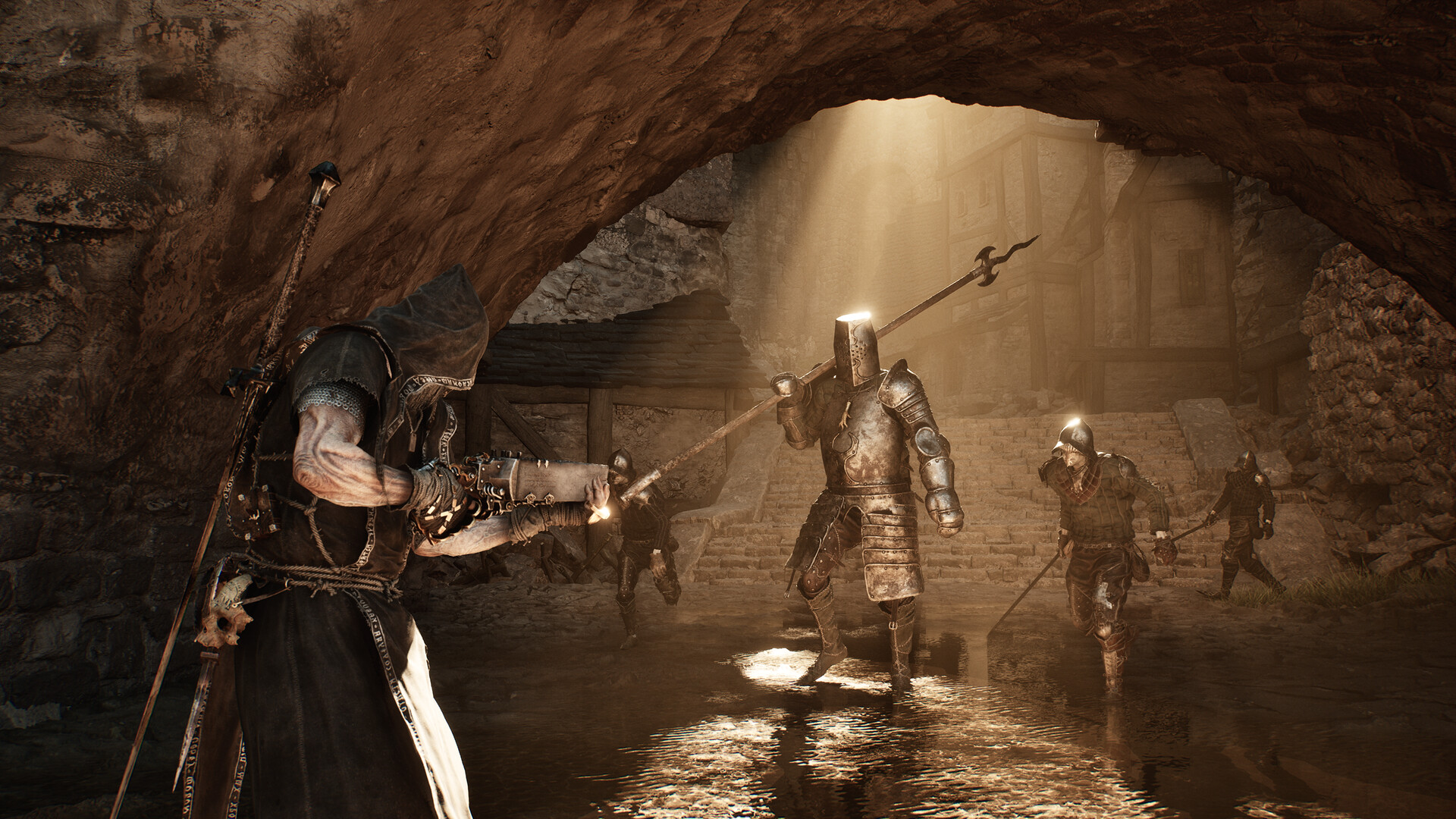
What makes Mortal Shell II particularly
interesting is that it does not rush to escape the Soulslike genre.
It keeps the familiar framework while
starting to question some of its default rules:
Can switching characters genuinely change
the way you play?
Can a resource system actively encourage
players to attack instead of retreat?
Once these questions are reconsidered,
players are still facing a familiar genre, but they have to approach it in
different ways.
That may be one of the more promising paths
for innovation in a mature game genre.
Image Copyright Notice
The images related to Mortal Shell II used
in this article are sourced from publicly available official promotional
materials and are used solely for game introduction, commentary, and industry
analysis. All related rights belong to Playstack and Cold Symmetry.
About Glodom
As an innovative language technology
solutions provider, Glodom has built strong expertise and professional
capabilities in game localization, with long-term and stable partnerships with
leading global game companies, including Tencent, NetEase, and Nintendo.
Our localization services cover a
comprehensive range of game genres, including Role-Playing Games (RPG),
Strategy Games (SLG), Shooters, MOBAs, Simulation and Management Games,
Anime-Style Card Games, and more.
Glodom currently has more than 300
full-time employees and a dedicated global network of 10,000+ native-speaking
language experts across more than 40 countries and regions, covering
localization needs in more than 200 languages.
Glodom has always believed that technology
and service quality must go hand in hand. Through continuous investment in
technology, we have independently developed an intelligent language technology
platform integrating translation memories, dynamic terminology management, and
mature AI-assisted tools. It enables us to efficiently address the challenges
of handling multiple languages concurrently amid frequent game version updates.
At the same time, we have established a
closed-loop quality assurance process covering native-language translation,
cultural risk assessment, LQA, and testing in real-device environments.
Whether it is the precision of cultural
adaptation or the efficiency of large-scale multilingual delivery, Glodom
remains committed to high standards of quality and continues to operate at the
forefront of the language services industry.
