

Released in 2020, Factorio has now
accumulated more than 190,000 reviews on Steam, with 97% of the reviews posted
in the past 30 days rated positively.
The 2024 expansion, Factorio: Space Age,
has also taken what was already a huge factory and pushed it further outward.
But more interesting than the numbers is a
familiar experience that keeps coming up in the player community: you sit down
planning to play for half an hour, look up, and realize two or three hours have
passed. At first, your factory looks like a complete mess. A little later,
you're already thinking about how to make the layout cleaner. On your first
run, you may have no idea what you're doing. By the time you start a new game,
you're already planning what comes next.
That's Factorio in a nutshell.
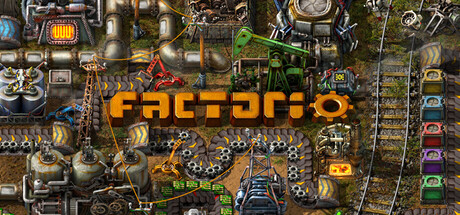
1. Where the Fun Begins
When you first open Factorio, the goal is
actually pretty simple.
Gather resources, craft items, research
technologies, and figure out how to keep everything running. The game's own
description puts it plainly: build automated factories and keep producing
increasingly complex items.
As the factory takes shape, the player's
role begins to change.
Tasks that once had to be handled by hand
can gradually be handed over to machines. Things that used to require constant
running back and forth can slowly become automated. Once enough of the process
no longer needs your direct attention, you finally have the time to think about
something else: could this be done a little better?
That's where much of Factorio's appeal
comes from. The fun isn't only in getting something to work. It's in going back
afterward and figuring out how to improve it.
And there is usually no obvious finish
line.
Some players will tear down and rebuild an
entire layout just to make it look cleaner. Others care more about efficiency.
Some simply want to bring order to a system that started out looking completely
chaotic.
When everything you've built finally starts
running smoothly, the satisfaction feels very tangible. There is no flashy
reward, and the game doesn't need to stop and tell you that you've done a great
job. You're simply happy because the factory in front of you works better than
it did before.
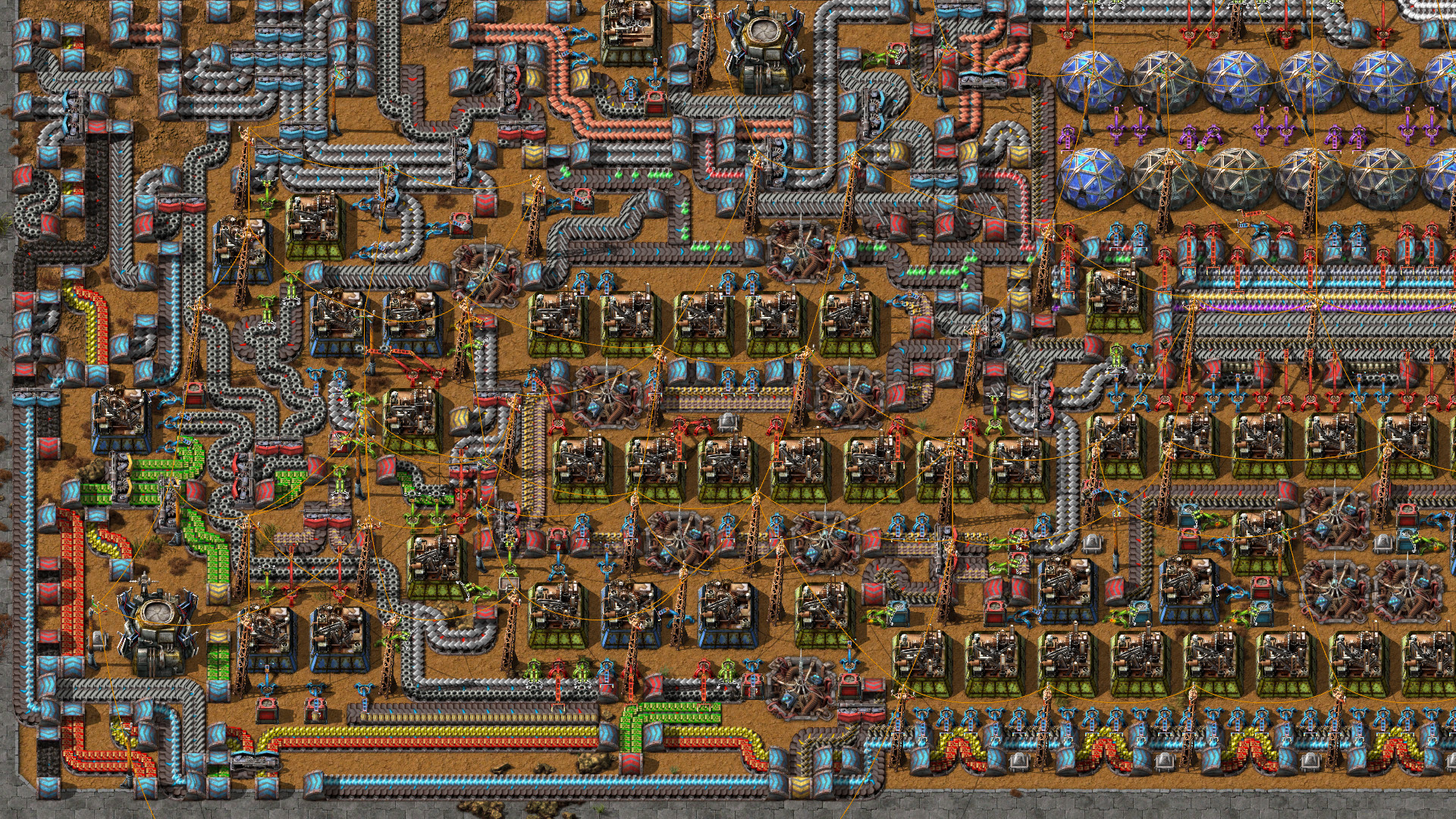
2. The Freedom of Having No Single Right Answer
Another thing that makes Factorio so
interesting is how rarely it tells you exactly how things have to be built.
The same production goal can be reached in
very different ways. The game doesn't hand you a single "correct"
solution, and the systems players create often end up reflecting their personal
habits.
That freedom can give you a strong sense
that what you've built is completely your own.
On a first run, you might place things
wherever they are needed and worry about the consequences later. After you've
played for a while, you start thinking ahead. Some players rebuild their
layouts simply because they want everything to flow more naturally. Others
obsess over cutting waste. Some just enjoy watching an empty map gradually turn
into a busy, functioning world.
The player community reflects that variety
too. Two people can both be new to the game and still approach it completely
differently. One might treat a first factory as an experiment. Another may
start planning seriously almost immediately. One player prefers to figure
everything out from scratch. Another studies someone else's design, then
changes it until it fits their own way of playing.
That's why the satisfaction Factorio offers
is not simply, "I finished the task."
It's more like: "I don't care how you
got it running. Just tell me whether my idea worked."
Once a game puts the decision-making in the
player's hands, you're investing more than time. You're investing your own
judgment. That may be part of what keeps Factorio players coming back for
hundreds of hours.
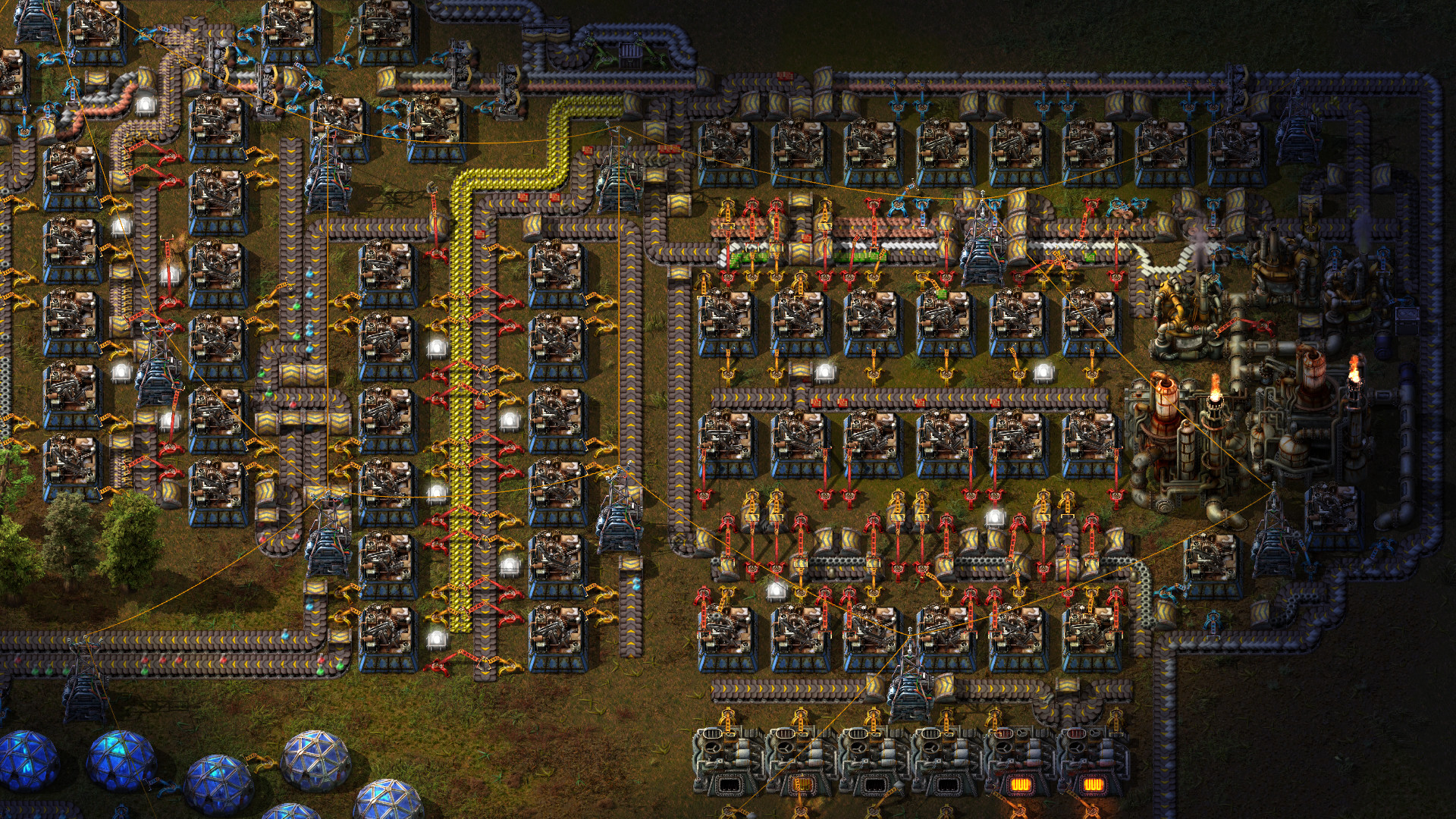
3. From Your First Run to Starting Over: Why Factorio
Keeps You Playing
Every new game can give you a different way
of understanding Factorio.
The first time around, many players don't
have the luxury of thinking too far ahead. The priority is simple: get
something built and keep going. Once you've gained some experience, a fresh
save feels different. You begin thinking about where the factory could go next,
not just what needs to be built right now.
And that change usually comes from the
player.
The rules haven't changed nearly as much as
your understanding of them has.
Some players still start new saves after
hundreds of hours. Others move beyond the core experience and turn to mods for
completely different ways to play. The developers have also continued to
support the game and its modding ecosystem, helping the experience stay
relevant over a remarkably long lifespan.
Factorio leaves enough room for players to
gradually develop their own way of playing.
That also helps explain why, even in 2026,
people are still recommending it to newcomers who have never played a factory
automation game before. In recent community discussions, there have even been
FPS players trying the genre for the first time because they wanted something
that would make them think a little harder—only to realize they had seriously
underestimated how absorbing it could be.
Of course, Factorio still has a learning
curve. The deeper you go, the more complicated the systems become, and that
means the amount of knowledge you need keeps growing too.
But that complexity does not seem to scare
everyone away. For many players, it is exactly what makes the game worth
getting into—and worth sticking with.
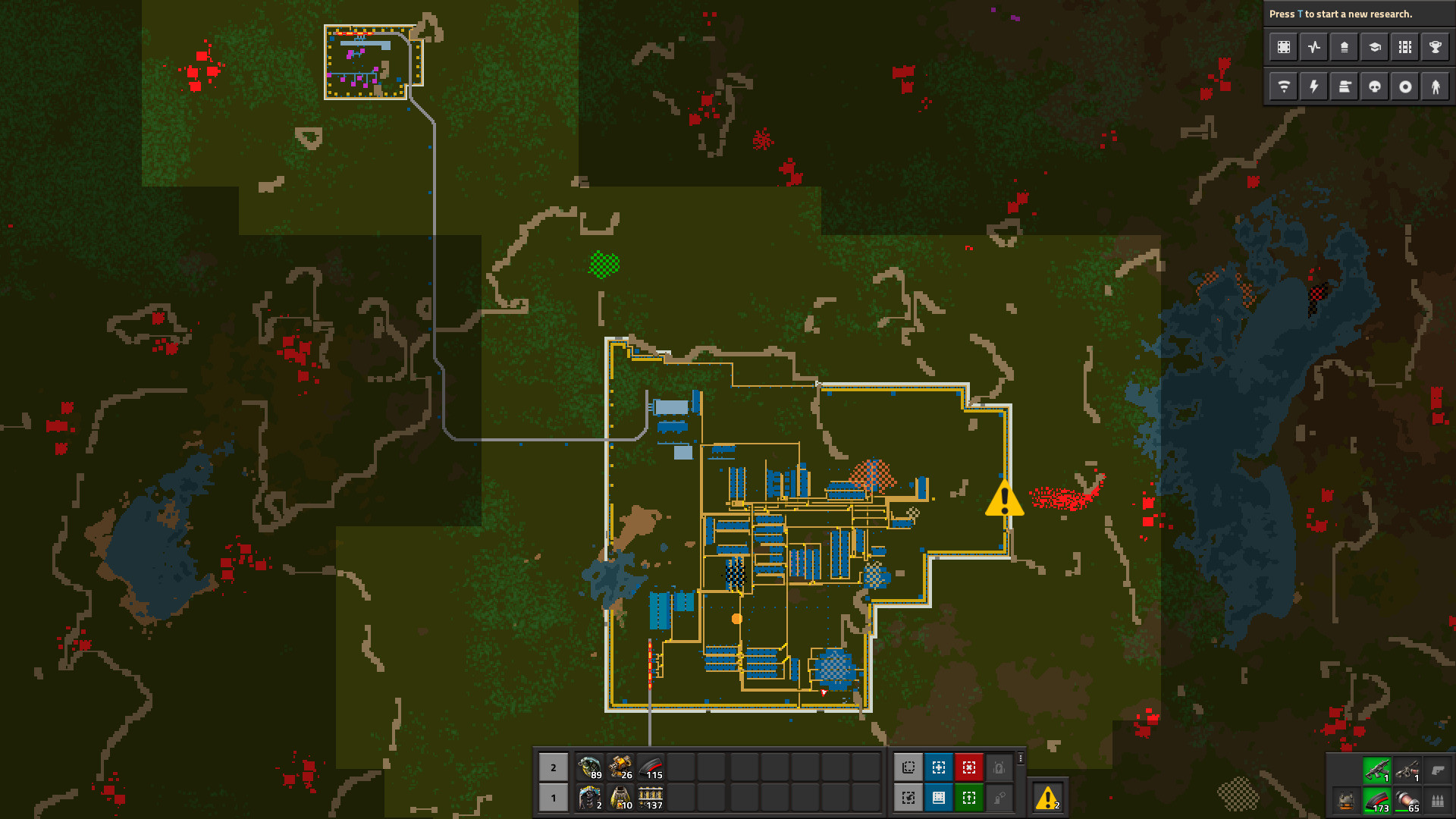
4. Final Thoughts
What makes Factorio so addictive is not
simply the satisfaction of making the factory bigger. It's the journey from
figuring out how to produce something to figuring out how to make an entire
world run the way you want it to.
That feeling doesn't disappear once you've
completed a playthrough.
As players gain experience, they develop
their own habits, preferences, and ways of thinking. Even after stepping away
from the game for a while, coming back can feel like an invitation to try
something different this time.
That may be part of the reason Factorio can
still attract new players in 2026. The game provides the rules and the space.
What happens inside that space is up to the player.
And when a game stays with people for
years—or even hundreds of hours—their familiarity with it gradually extends to
the language of the game as well.
The longer players spend with a title, the
more naturally they become accustomed to its names, prompts, interface text,
and terminology. As new versions, expansions, and community-created content
continue to arrive, keeping that language consistent becomes part of the
overall experience.
Players may barely notice it when
everything is working as expected. But once the same concept starts appearing
under different names in different parts of the game, that familiar experience
gets interrupted.
For long-running titles, where new
versions, expansions, and community content are added over time, the language
needs to evolve alongside the game while remaining consistent.
This is one reason Glodom places particular
emphasis on long-term language maintenance in game localization projects. As
game content continues to grow, the language experience needs to grow with it.
Consistent, natural language is itself part of what allows a game to stay
familiar to players over the years.
A factory can become increasingly complex.
The way players understand it should always remain clear.
Image Copyright Notice: The
Factorio-related images used in this article are sourced from the Factorio game
page on Steam. All related images and game assets remain the property of the
game developer and respective copyright holders. The images are used solely for
game introduction, commentary, and industry analysis.
5. About Glodom
As an innovative language technology
solutions provider, Glodom has built strong expertise in game localization and
established long-term partnerships with leading global game companies,
including Tencent, NetEase, and Nintendo. Our localization services cover a
broad range of game genres, including role-playing games (RPGs), strategy games
(SLGs), shooters, MOBAs, simulation and management games, and anime-style card
games.
Glodom has more than 300 full-time
employees and a dedicated global network of more than 10,000 native language
experts across 40+ countries and regions, supporting localization needs in more
than 200 languages.
Glodom combines technology with linguistic
expertise. Our proprietary intelligent language technology platform integrates
Translation Memory, dynamic terminology databases, and established AI-assisted
tools to help manage the demands of simultaneous multilingual updates as game
content evolves rapidly.
We have also built a comprehensive quality
control process covering native-language translation, cultural risk review,
Language Quality Assurance (LQA), and testing on real devices. From the
accuracy of cultural adaptation to the efficiency of managing large-scale
multilingual releases, Glodom continues to maintain high standards across every
stage of delivery.
