

Imagine being told that, one day in late August, more than 370,000 people were playing a fishing game on Steam at the same time.
It sounds unlikely.
But that is exactly what happened.
How to Fish launched on August 20, 2026, and reached an all-time peak of 373,971 concurrent players on August 26. It quickly became one of the most talked-about new games on Steam, while its English-language user reviews have remained around 95% positive.
At first glance, How to Fish looks like a fishing game. Spend a little time with it, though, and that description starts to feel incomplete.
Yes, you can fish. But you can also drive boats, shoot, explore, and use the environment and physics to create situations no one necessarily planned for. Steam's user-defined tags include Fishing, Online Co-op, Shooter, Physics, Adventure, and FPS.
So what gave such a simple-looking game this much pull, this quickly?
The answer lies in a few design choices that work particularly well together.
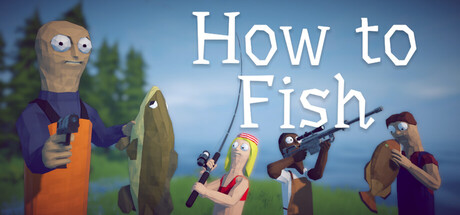
1. It’s Not Really About Fishing
A traditional fishing game is usually easy to understand.
Find the right spot. Pick your bait. Cast your line. Wait for a bite. Reel the fish in.
The goal is just as straightforward: catch more fish, find rarer ones, and gradually improve your equipment and efficiency.
That familiar loop is built around clear progression. Better gear makes fishing easier. Rarer catches bring better rewards. The more you learn, the more efficiently you can play.
How to Fish takes a different approach.
It gives you a simple objective, but it does not insist that you treat fishing like a serious profession.
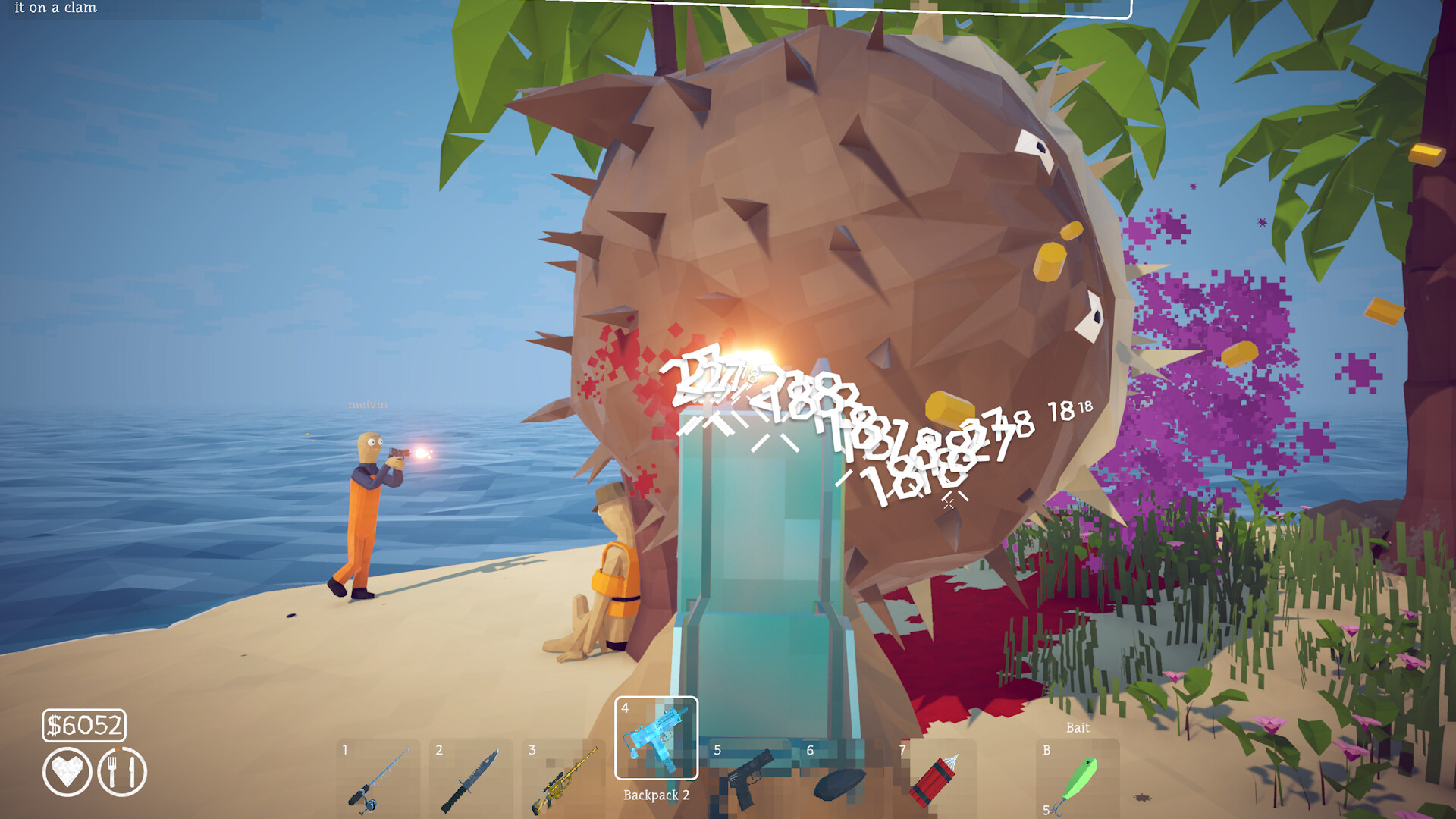
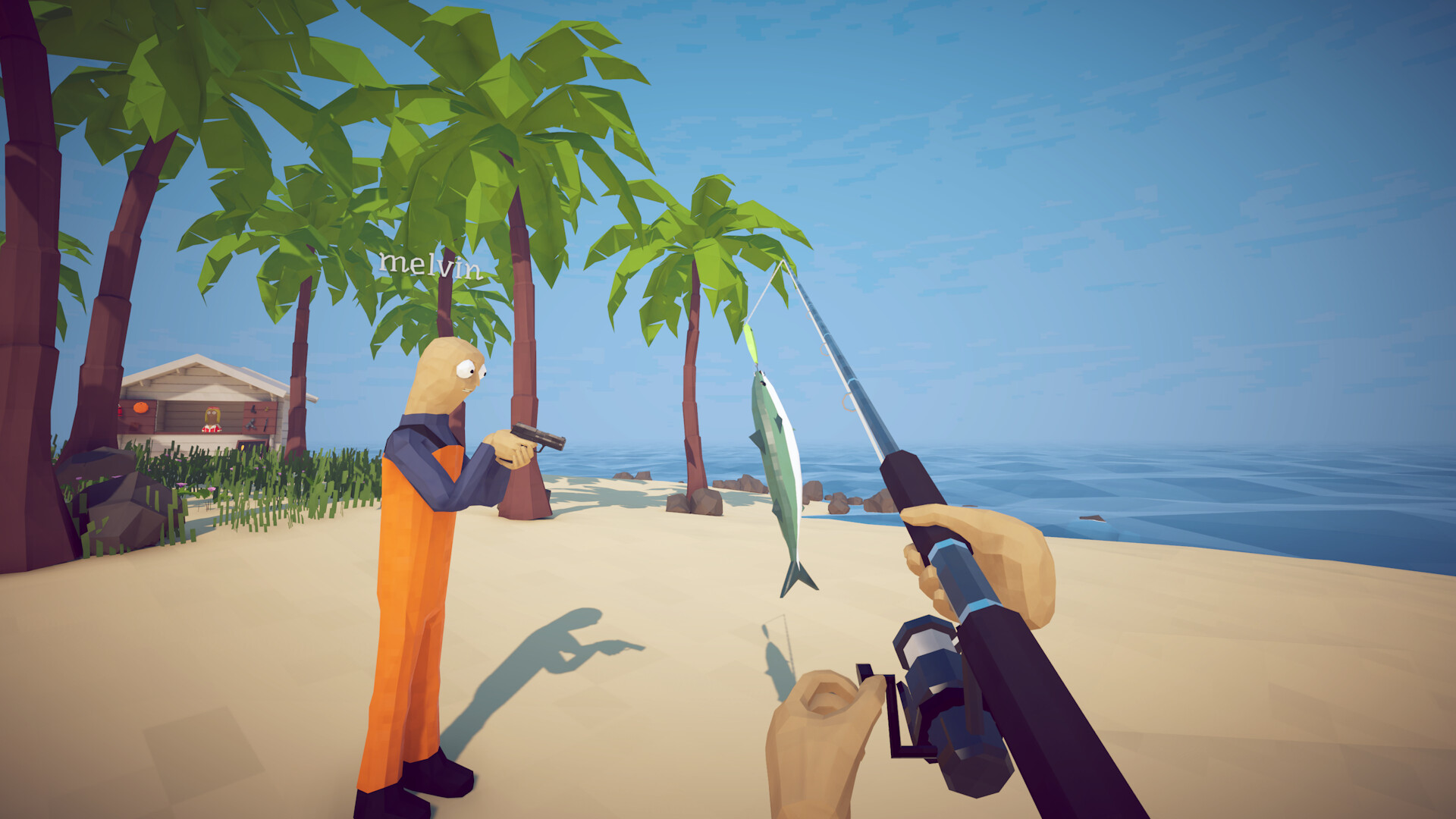
A fish can be caught normally, or thrown into the air. You can patiently search for your next catch, or pull out a weapon and do something completely unnecessary with the fish you just landed. The game is full of absurd situations that are not tied to carefully scripted missions. They emerge when different objects and systems interact.
That changes the role of fishing itself.
It becomes less of an end goal and more of a starting point.
The real question is no longer just, “What am I trying to catch?”
It is: “What happens next?”
And, more importantly, what ridiculous situation are you going to end up in along the way?
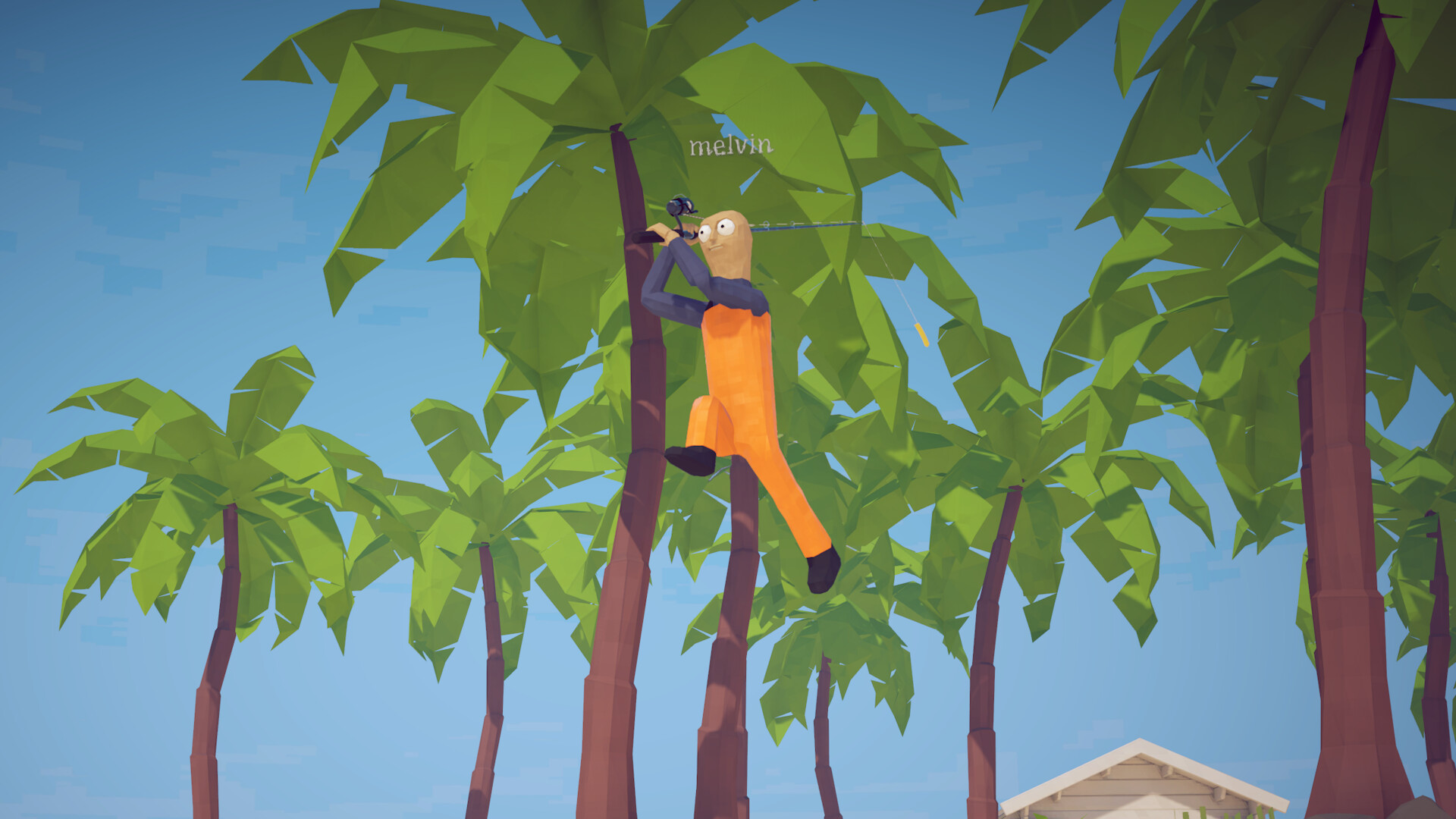
2. Simple Rules Leave Room to Experiment
Most games are built around a clear set of intended actions.
You know what to upgrade, which equipment to use, where to go next, and how the game expects you to deal with a particular problem.
That clarity can be useful, but it also means that a lot of the experience has already been decided for you.
How to Fish leaves more open.
It does not insist that there is one right way to approach every situation. Instead, it gives players a small set of simple rules and lets them figure out what they can do with them.
That is where the physics system becomes so important.
When fish, boats, weapons, and the environment can all interact in unpredictable ways, the player is not simply choosing between predefined solutions. They are testing what the game will allow.
A fish can be a target, an object to experiment with, or the starting point for something completely unexpected.
The developers do not need to script every possible outcome. They only need to build a system in which those outcomes can happen.
The more tightly a game controls what players can do, the more predictable the experience becomes. Give players room to experiment, and they can turn their own actions into part of the game.
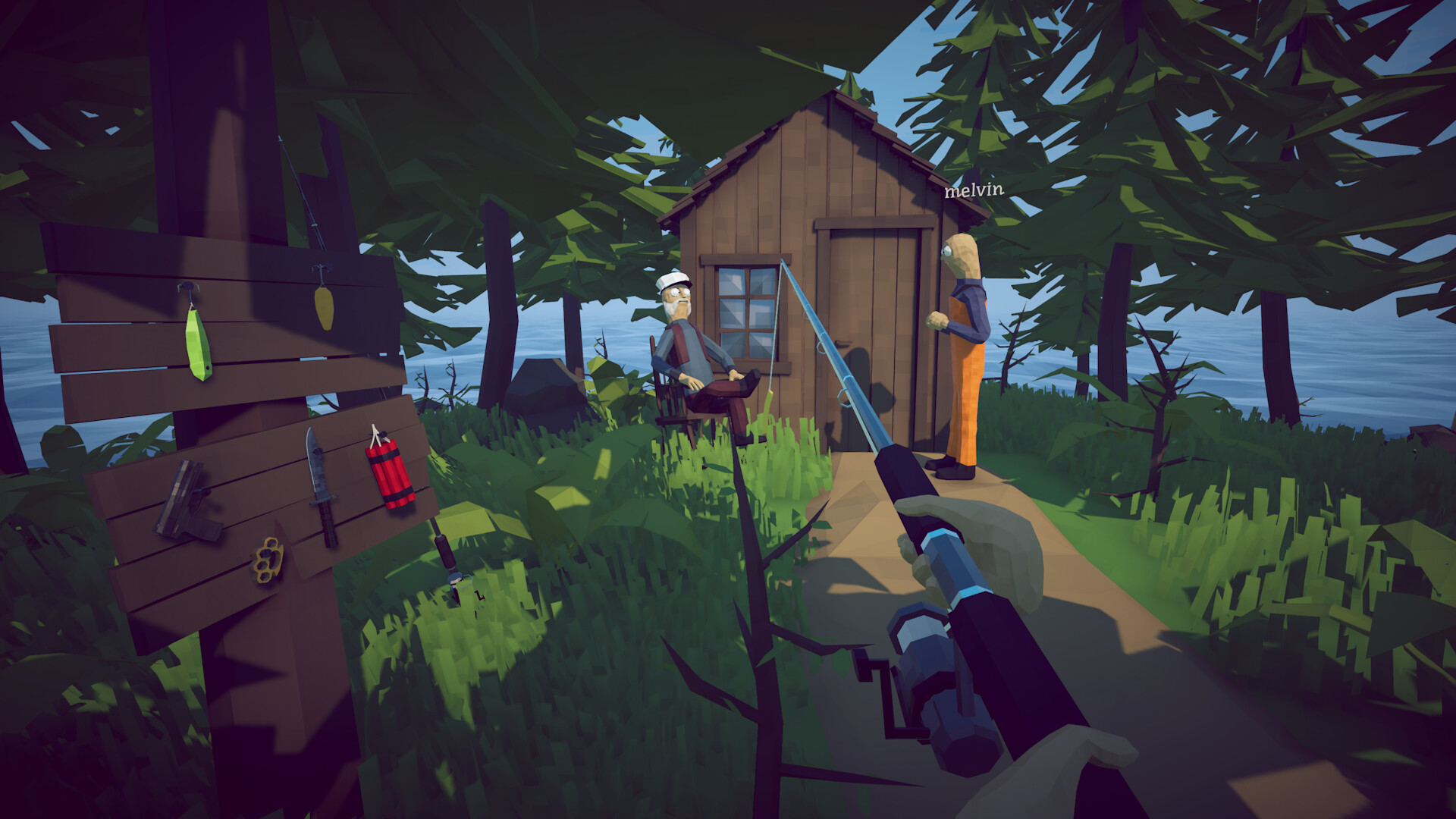
3. The Real Fun Starts When Everyone Makes Things Worse
Freedom on its own is not enough.
How to Fish becomes much more entertaining when that freedom is shared with other people.
The game launched with support for 1–4 player co-op, allowing players to act independently while also affecting one another. The physics system then amplifies those interactions.
Play alone and the question might be:
“How do I catch this fish?”
Play with friends and it quickly becomes:
“Who did that?”
One person making a mess might just be an accident. Four people making the mess together can turn it into a story you keep talking about afterward.
Players may not remember every objective they completed. They are more likely to remember the moment when everything went wrong:
Someone sends a fish flying.
Someone tries to help and somehow makes things worse.
Everyone starts trying to fix the situation, and nobody sticks to the original plan.
There was never much of a plan to begin with.
These moments are difficult to manufacture through traditional level design because the most entertaining part is the interaction between players.
The game does not need to hand you a perfectly written story.
It just needs to give you enough room for one to happen.
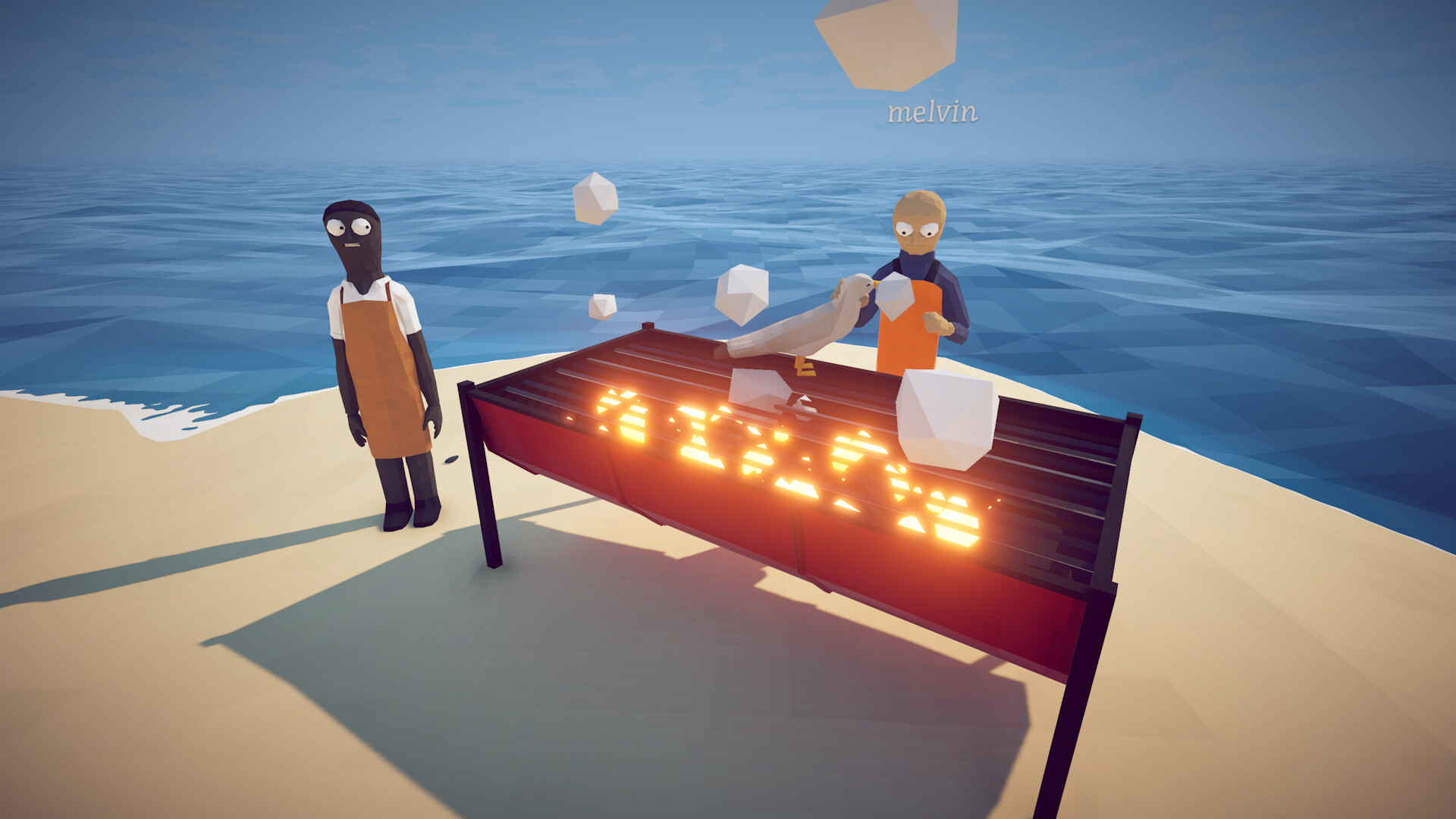
4. Physics Changes Where the Content Comes From
That is why physics matters so much to How to Fish.
A conventional game might say:
“You can do A, or you can do B.”
A physics-driven game can instead say:
“You can make A and B interact. See what happens.”
The difference is what happens between those two options.
A fish is just a fish. A boat is just a boat. A weapon is just a weapon.
But once they can affect one another, simple objects can produce surprisingly complicated outcomes.
Developers do not have to build a dedicated scene for every funny moment. They can let objects move, collide, react, and behave according to the same underlying rules.
That creates something much harder to achieve with purely scripted content:
the possibility of a result the player was never explicitly told to expect.
The physics system is not simply adding more things to do.
It is increasing the number of things that might happen.
5. Why Is a Simple Game So Easy to Share?
There is another practical advantage to How to Fish: it asks very little from a new player.
The game launched at $7.99, and its basic premise is easy to understand. You do not need to spend an hour learning a progression system, comparing character builds, or memorizing a complicated set of mechanics before you can start having fun.
That matters even more in a co-op game.
A complicated multiplayer title can make getting everyone into the same game a project of its own. Someone needs to learn the controls. Someone needs to understand the rules. Someone is still reading a guide while everyone else is waiting.
How to Fish mostly skips that stage.
A friend invites you, you pick up a fishing rod, get on a boat, and start messing around.
And that simplicity has another benefit:
it makes the game easy to understand even for people who are not playing it.
A lot of game clips only make sense once you know the mechanics behind them.
With How to Fish, you can watch someone launch a fish into the air while everyone else scrambles around trying to deal with it, and you immediately understand why the moment is funny.
The barrier to entry is low for players.
The barrier to understanding what is happening is low for everyone else.
For a game that can spread through friend groups, livestreams, and short-form video, that is a powerful combination.
6. 370,000 Players Were Online at Once. But Will the Game Stay Popular?
A peak of 373,971 concurrent players is an extraordinary number. But what it tells us first is that How to Fish found an unusually effective way to bring people together immediately after launch.
Its English-language Steam reviews remain around 95% positive, and the game is still attracting a substantial audience.
But a breakout hit and a long-running game are not necessarily the same thing.
A multiplayer game can become a sensation because a funny clip reaches millions of people, bring a group of friends together for a few hours, and still struggle to keep those players coming back months later.
Once the initial novelty wears off, the depth and variety of the experience become much more important.
That is something How to Fish will have to prove over time.
For now, the 370,000-player peak is better understood as a signal:
Players are willing to show up for a game built around shared experiences and unpredictable fun.
Whether that momentum turns into long-term staying power will depend on what the developers do next.
7. Final Thoughts
How to Fish is not complicated by design.
It does not rely on a massive world, dozens of character classes, or layers of progression systems.
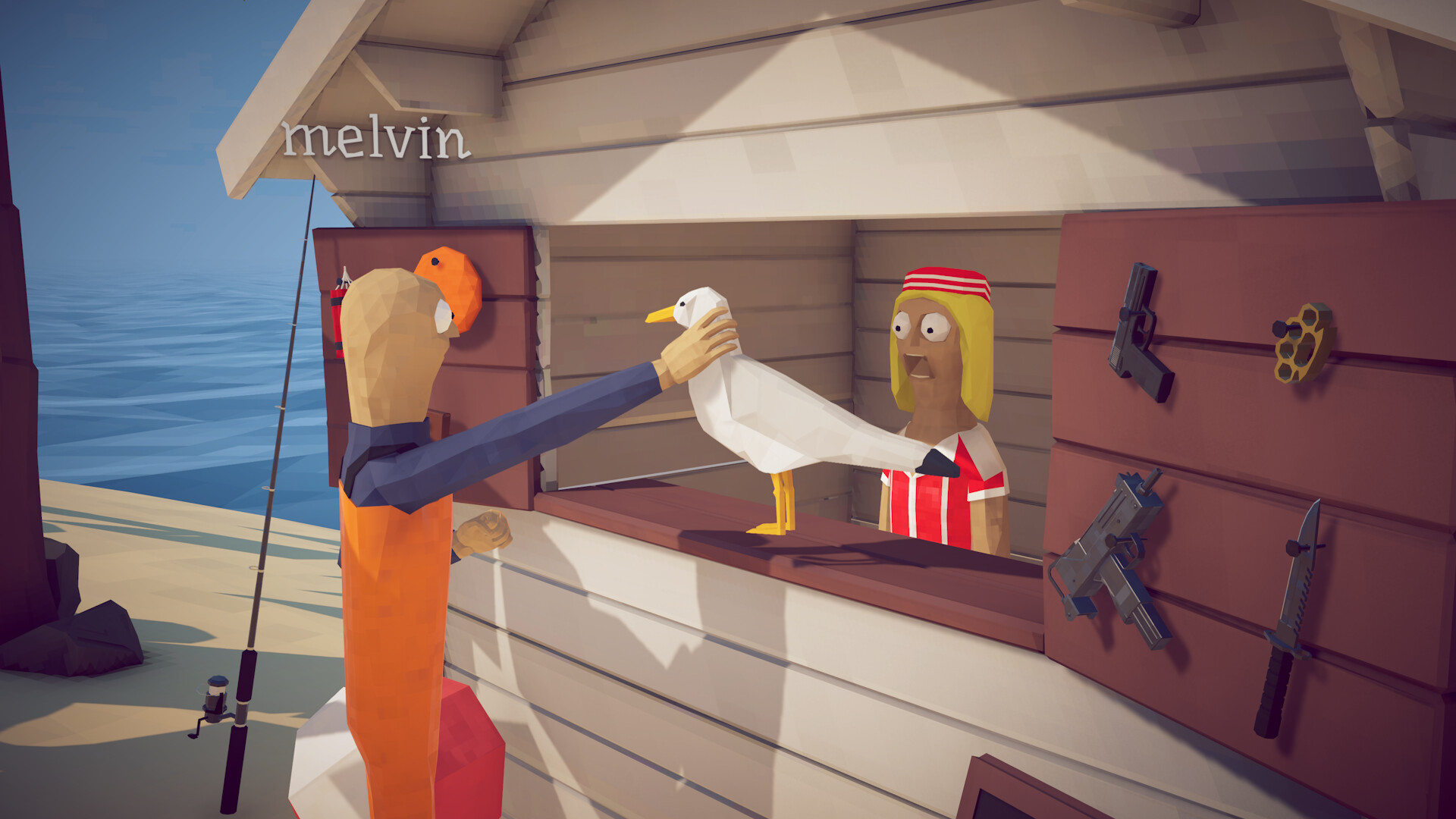
Instead, it gives players a small set of easy-to-understand rules, lets different elements interact, and puts the whole thing into a co-op environment.
From there, the most memorable moments emerge naturally.
The developers set the rules and provide the tools. The players decide what to do with them.
That is what makes How to Fish worth paying attention to.
On the surface, it is a fishing game. But what keeps players coming back is not simply the satisfaction of becoming a better angler.
It is the feeling that, when you are playing with friends, you genuinely do not know what might happen next.
And when every session can produce a different answer, the player is no longer just consuming content that was prepared in advance.
They are helping create the experience itself.
That may be one of the more interesting directions for multiplayer games today.
A game does not always need more content to give players more to do. Sometimes, it needs a better system for letting players create their own moments.
Image Copyright Notice: The images used in this article are sourced from the How to Fish Steam store page. All rights to the images and game materials belong to the game's developers and copyright holders. The images are used solely for game introduction, commentary, and industry analysis. This article does not claim any copyright ownership over these materials.
About Glodom
Glodom is an innovative provider of language technology solutions, with deep expertise in game localization. We maintain long-term partnerships with leading global game companies. With over 300 in-house professionals and a network of 10,000+ native linguists across more than 40 countries, we support over 200 languages worldwide.
Combining advanced technology with extensive project management experience, Glodom helps clients execute global strategies with precision and efficiency. From localization quality to large-scale multilingual delivery, we remain at the forefront of the industry.
